A piece of Switzerland in Brazil's Paraíba Valley
Fazenda Neuchatel was born where Swiss immigrants met the peak of São Paulo's coffee boom. It nearly vanished under its own rubble. Then it came back, brick by brick.

Coffee and the Perrenouds
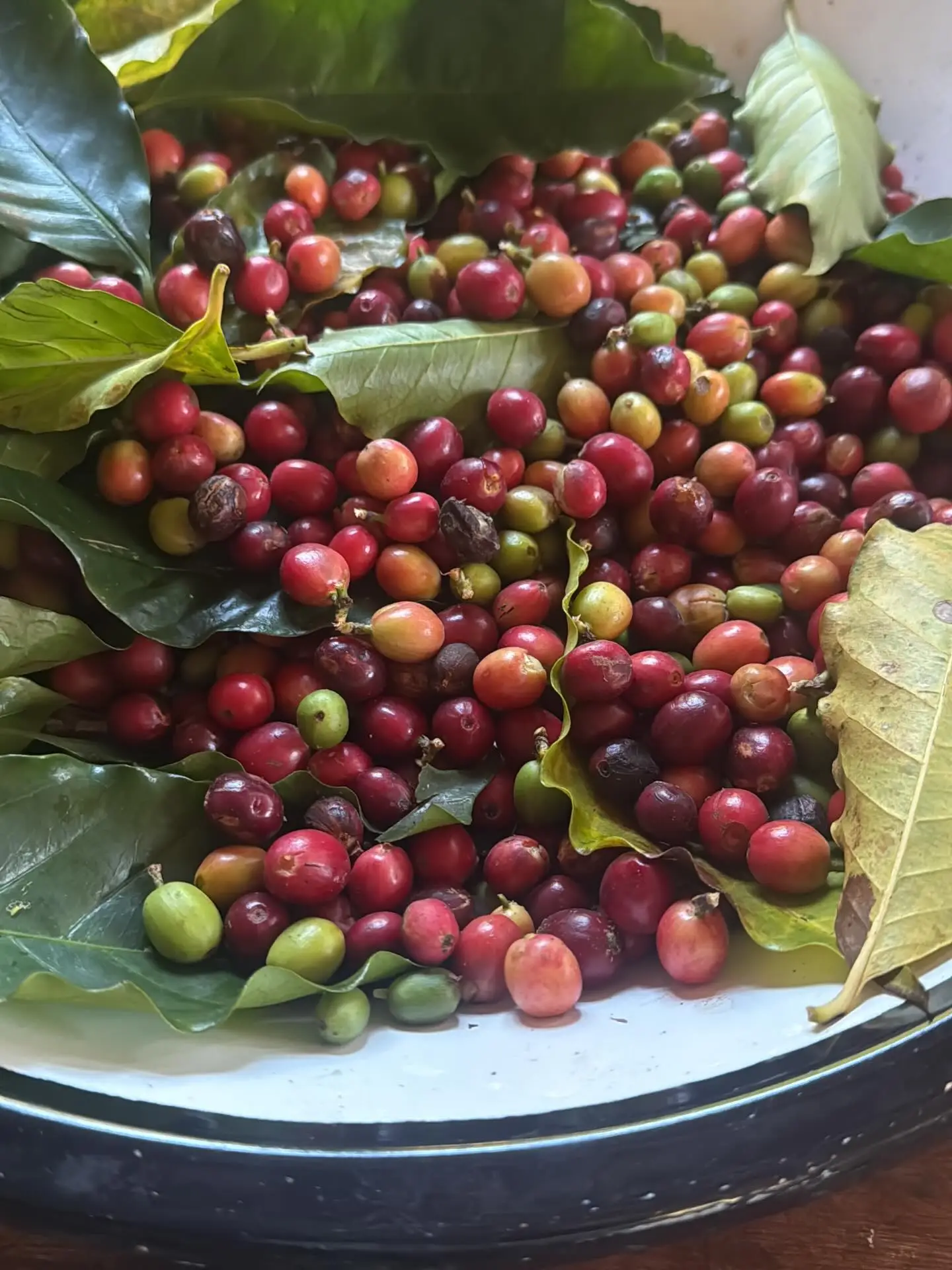
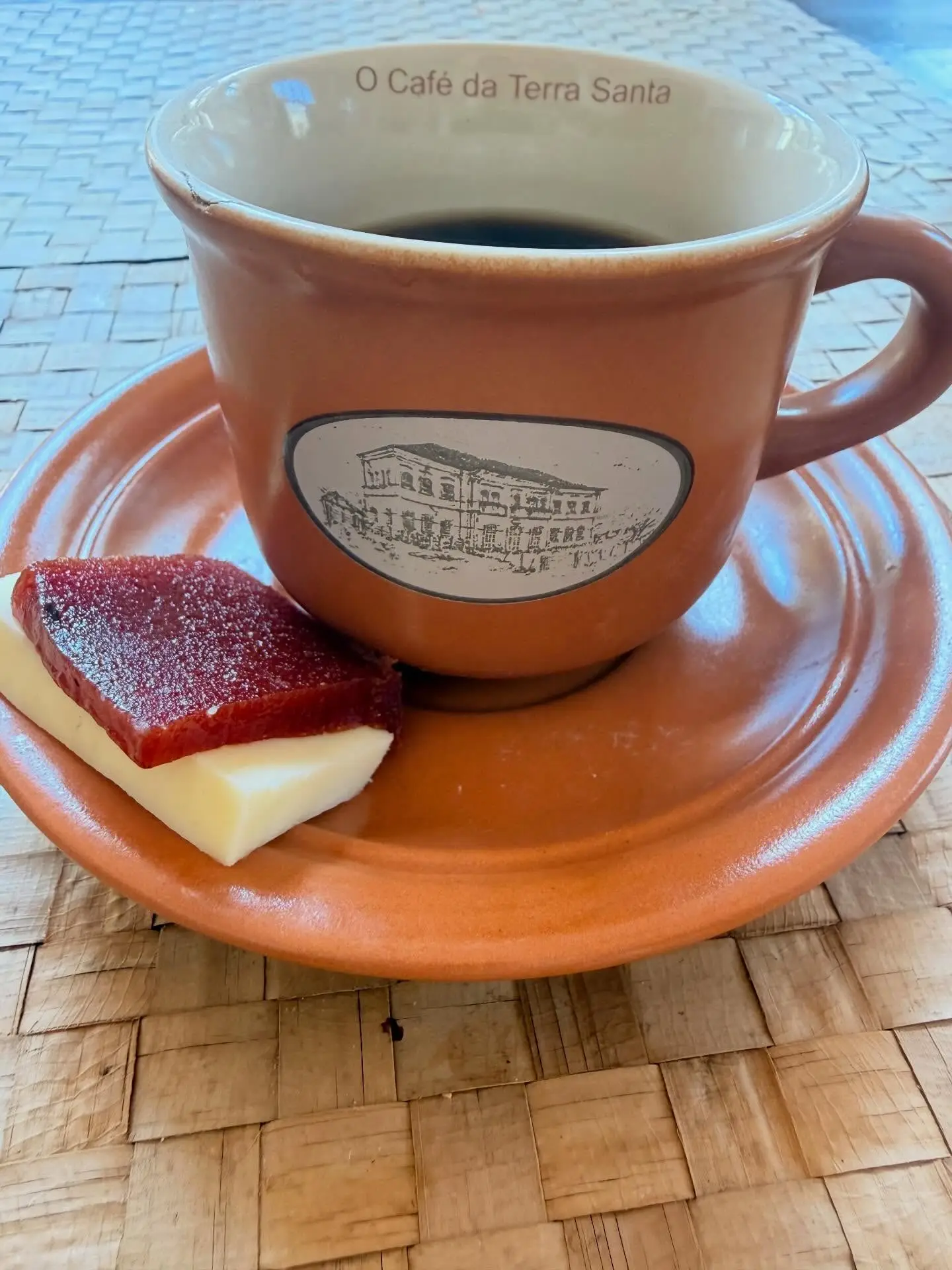
In the 19th century, Guaratinguetá stood among the great coffee names of the Paraíba Valley. That is where Ulisses Alexis Perrenoud, from the Neuchâtel region of Switzerland, married Mariana Francelina de Melo in 1870 and raised the farm's manor in 1885, named after a castle in his homeland.
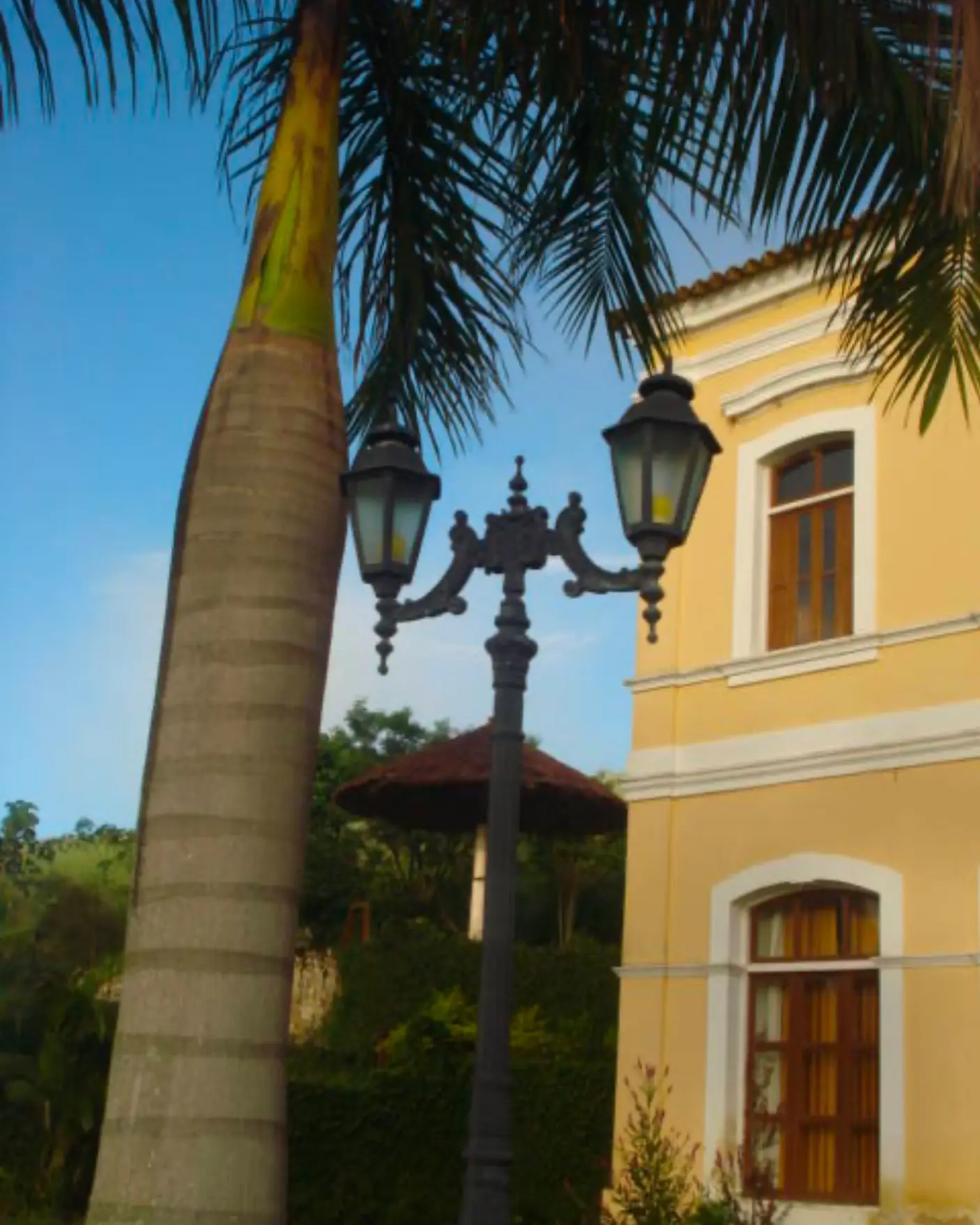
The house stands apart from every other farm in the region: a two-storey building of European lines, with elaborate arches, stone foundations and proportions that echo the homes of the native canton. In the cellar, a rarity of rural engineering: a giant water wheel, about six metres tall, built into the body of the house itself and fed by a stone aqueduct that channelled water from a spring on the property. It powered the mill that processed the coffee. It is still there, preserved, as the centrepiece of the guided visit. Outside, a cornmeal mill with its own original water wheel completes the ensemble.
The forgetting
As coffee declined in the Valley, the farm crossed the 20th century in silence. When it was found again, in 2001, the manor lay in ruins: its halls held more than three metres of debris, and the forest was claiming the walls.
The Fênix Project
The turning point came in 2001, when Ronald James Clark, an American lawyer based in Chicago, funded the complete reconstruction of the property. Leading the project was Michele Monteiro, an interior designer, responsible for the manor's decoration and collection, with the support of architect Regina Maia Galvão. Over two years of work, the restoration followed the Perrenoud family's original photographs and documents: every arch, window frame and facade detail was rebuilt from the historical records.
It was Michele who named the project: Fênix, because the house rose from its own ruins, with the stone foundations and cellar walls fully preserved. Bricks from the original brickworks, stamped with Ulisses' "U", a star and a moon, still surface around the property and have become part of the guided visit.
More than 140 years in five chapters
- 1870
Ulisses Perrenoud marries Mariana Francelina de Melo, settling the family in Guaratinguetá.
- 1885
Ulisses raises the European-style manor, with a six-metre internal water wheel and stone aqueduct.
- 20th century
Coffee declines in the Paraíba Valley; the house is abandoned and buried by time.
- 2001
Ronald James Clark funds the reconstruction; Michele Monteiro takes the lead of the Fênix Project, with the support of architect Regina Maia Galvão.
- Today
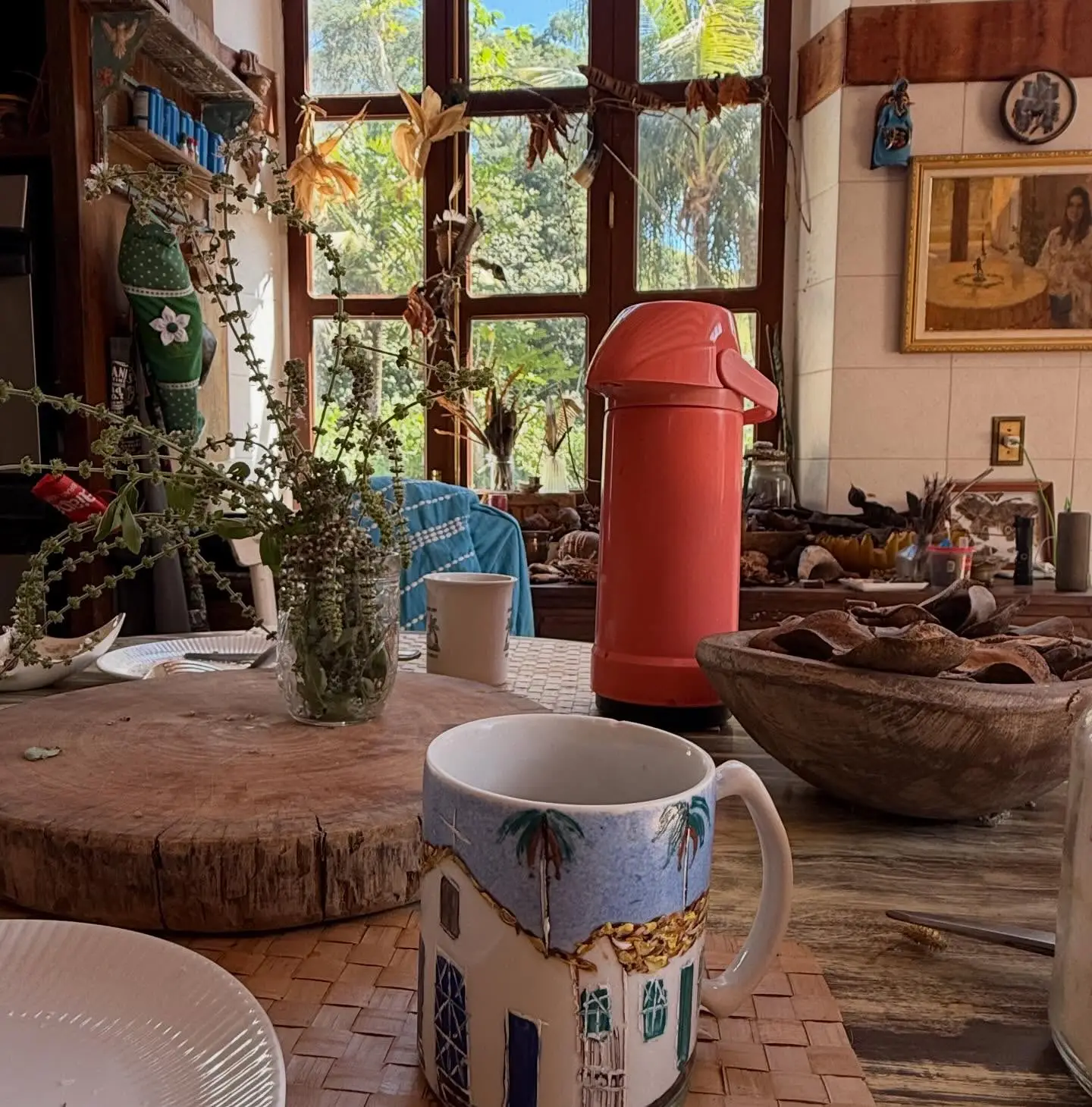
Restored, the farm hosts visits, events, retreats, guests and film productions, and keeps Guaratinguetá's history alive.


Come hear the rest in person
The guided visit walks through the manor, the water wheel and the stories that don't fit here. Book on WhatsApp.
Book a guided visit